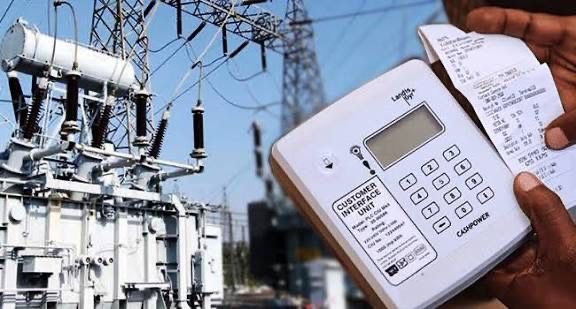
If you live in Nigeria, you already know, electricity can swallow a good chunk of your monthly budget. Between rising tariffs, constant power cuts, and fuel prices that keep climbing, it sometimes feels like your generator and NEPA bills are in a tag team to finish your wallet.
But here’s the good news: you can actually save a lot if you know how to manage your usage smartly. This 10-point plan breaks it down.
1. Understand Your Band: It Affects Your Bill More Than You Think
Electricity tariffs in Nigeria are divided into five bands (A–E), based on how many hours of power supply you get daily:
• Band A: 20+ hours/day (most expensive)
• Band B: 16–20 hours
• Band C: 12–16 hours
• Band D: 8–12 hours
• Band E: less than 8 hours/day (cheapest)
If you’re paying a Band A or B tariff but rarely see light, raise a complaint to your DisCo. Many Nigerians are being overbilled for power they don’t get. Always confirm your feeder band on the NERC customer portal.
Current Estimated Tariffs Per Band (₦/kWh)
• Band A: ₦200 – ₦225 per kWh
• Band B: ₦120 – ₦130 per kWh
• Band C: ₦65 – ₦70 per kWh
• Band D: ₦50 – ₦55 per kWh
• Band E: ₦45 – ₦50 per kWh
(Tariffs vary slightly by DisCo, but these are the current national averages.)
Estimated Monthly + Yearly Cost
Light user (150 kWh/month)
• Band A: ₦30,000 – ₦33,750/month → ₦360k – ₦405k/year
• Band B: ₦18,000 – ₦19,500/month → ₦216k – ₦234k/year
• Band C: ₦9,750 – ₦10,500/month → ₦117k – ₦126k/year
• Band D: ₦7,500 – ₦8,250/month → ₦90k – ₦99k/year
• Band E: ₦6,750 – ₦7,500/month → ₦81k – ₦90k/year
Average home (300 kWh/month)
• Band A: ₦60k – ₦67.5k/month → ₦720k – ₦810k/year
• Band B: ₦36k – ₦39k/month → ₦432k – ₦468k/year
• Band C: ₦19.5k – ₦21k/month → ₦234k – ₦252k/year
• Band D: ₦15k – ₦16.5k/month → ₦180k – ₦198k/year
• Band E: ₦13.5k – ₦15k/month → ₦162k – ₦180k/year
Heavy user (500 kWh/month)
• Band A: ₦100k – ₦112.5k/month → ₦1.2m – ₦1.35m/year
• Band B: ₦60k – ₦65k/month → ₦720k – ₦780k/year
• Band C: ₦32.5k – ₦35k/month → ₦390k – ₦420k/year
• Band D: ₦25k – ₦27.5k/month → ₦300k – ₦330k/year
• Band E: ₦22.5k – ₦25k/month → ₦270k – ₦300k/year
This explains why understanding your band is the first step to saving money.
Two households with the same appliances can have a 2X–3X difference in bill just because of their band.
2. Track Your Real Power Usage
Use a plug-in power meter to measure which appliances consume the most power. Fridges, irons, and water heaters are the top culprits. Knowing this helps you plan when to use each one.
Where to buy plug-in power meters (₦5,000–₦8,000):
• Jumia
• Konga
• Spar / Game / Shoprite electronics sections
• Electrical supply stores in major markets
• Some solar/inverter installer shops also sell them
They plug directly between your appliance and socket, just like a phone charger, and show you exactly how much naira each device costs you daily.
3. Buy the Right Generator for Your Need
Forget the “bigger is better” myth. A 2.5–3.5 kVA inverter generator is usually enough for a small flat with basic appliances, and it’s fuel-efficient.
• Average cost: ₦280,000–₦400,000
• Fuel consumption: Around 0.6L/hour
• Best for: TV, fan, fridge, light bulbs, and charging devices
A 5–6 kVA regular generator might seem like an upgrade, but you’ll spend nearly double on fuel. Always calculate long-term running costs before buying.
4. Run Your Generator Smartly
Timing is everything. Run it during your peak need hours, typically 6–10 p.m. (when you’re home and using multiple appliances). Avoid starting heavy appliances at once. Spread them out so your generator runs lighter and uses less fuel.
5. Switch to Energy-Saving Appliances
LED bulbs, inverter fridges, and air conditioners might look expensive at first, but they reduce electricity use by up to 40%. If your fridge hums constantly or your bulbs heat up, they’re wasting energy and your money.
6. Think Solar, It’s an Investment, Not a Luxury
Solar is pricey upfront, but it pays off long-term. Here’s a quick look:
• 1kVA solar system: ₦700,000–₦900,000 (for light load)
• 3kVA hybrid system: ₦2.2m–₦3m (for a small household)
No fuel, no noise, no fumes, and it lasts 8–10 years. Even partial solar (just lights and fan) can cut your NEPA bill by half.
7. Explore Payment Plans & Funding
Several companies now offer pay-small-small solar financing:
• Lumos Nigeria (MTN Solar): Pay monthly via MTN
• Arnergy: Lease-to-own solar plans
• Beebeejump: Installment options via their distributors
• Fenix International (ReadyPay): Targeted at rural and peri-urban users
Banks like Access Bank and Sterling Bank also run green energy loan schemes for households and SMEs. Ask your branch for details.
HOUSEHOLD ELIGIBILITY (e.g. Lumos, Beebeejump, Arnergy Residential)
You typically need:
• A valid BVN
• Stable monthly income (salary earner or verified inflow)
• Prepaid meter number / proof of residence
• Ability to make a small initial deposit
• NIN + ID card for verification
Some household plans are PAYG (Pay-As-You-Go) — meaning no collateral, just consistent repayment.
BUSINESS ELIGIBILITY (SMEs – salons, boutiques, clinics, tech hubs, etc.)
You may need:
• CAC registration or business name
• 3–6 months bank statement
• Steady revenue / turnover
• A quotation / energy audit from the solar provider
• In some plans: ₦200k+ monthly income or consistent cashflow
Verified companies & what they offer
• Lumos (via MTN): PAYG solar, no collateral, household friendly
• Arnergy: Financing for both home + business, hybrid systems
• Beebeejump: Flexible installment plans through agents
• GVE & Husk Power: Some mini-grid models for estates/communities
• Sterling Bank (Switch-to-Solar Loan): SME + household renewable financing
• Access Bank Green Energy Loan: Soft loans for home and small business owners
8. Audit Your DisCo Bills
If you’re on estimated billing, you’re probably paying too much. File for meter installation immediately. With prepaid meters, you control your usage and notice waste instantly.
9. Schedule Heavy Appliances
Use your washing machine, pressing iron, or water heater during off-peak hours (usually late night or early morning). For generator use, this reduces load; for NEPA, it balances your consumption to cheaper units.
10. Form a “Power Cluster”
If you live in an estate or share a building, consider pooling funds for a shared solar inverter. Collective systems spread the cost while everyone enjoys reliable power, a mini co-op for electricity.
Stop watching your money burn. With smart use, the right appliances, and some strategic planning, you can finally make your generator and NEPA bills work for you, not against you.
REFERENCES:
• NERC Tariff Order 2024 – Nigerian Electricity Regulatory Commission
• NESI (Nigerian Electricity Supply Industry) monthly market reports
• Sterling Bank – Switch to Solar Programme
• Access Bank – Green Energy Loan
• Lumos Nigeria (MTN Solar) eligibility details
• Arnergy Nigeria financing terms
• Beebeejump Solar plans
Stop Wasting Naira! The Ultimate 10-Points Plan to Slash Your Generator and NEPA/DisCo Electricity Costs